Tudor Revival Architecture In the Historic Phoenix Districts
Tudor Revival architecture has half-timbered exteriors, steep roofs and gables mark the Tudor revival style.
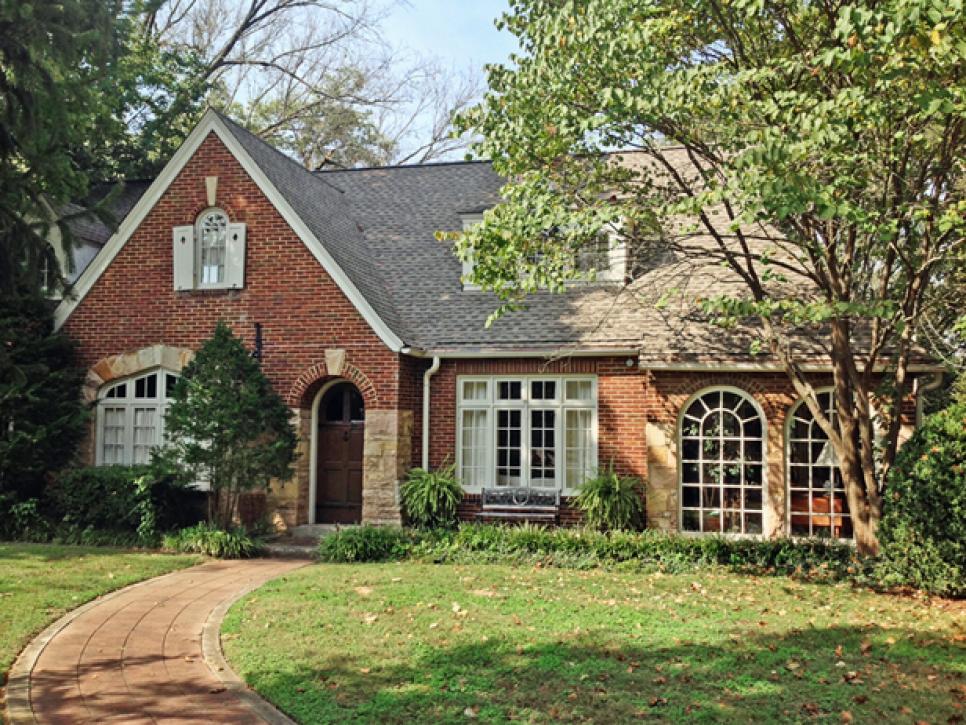 There are so many wonderful historic neighborhoods in Phoenix with Tudor Revival styles of all kinds for sale.
A few neighborhoods to explore Tudors to roll back time are F.Q. Story, Encanto-Palmcroft, Coronado, Fairview Place and Cheery Lynn.
Phoenix Tudor Homes Roof Styles and Elements
Thanks to their steeply pitched, multi-gabled roof lines and decorative half-timber framing, Phoenix Tudor homes are one of the most recognizable on the American landscape.
As a result, they were built largely during the first half of the 1900s. Tudor homes can be found in well-established communities throughout the U.S. and in the historic Phoenix districts.
Tudor Revivals Fit the Bill
“As businessmen began coming into money, whether through rail, lumber or steel, they set about building distinctive and magnificent homes. So, Tudors often fit the bill,” explains Victor Saroki, of Victor Saroki and Associates Architects in Birmingham, Michigan.
Not All Tudors are Big
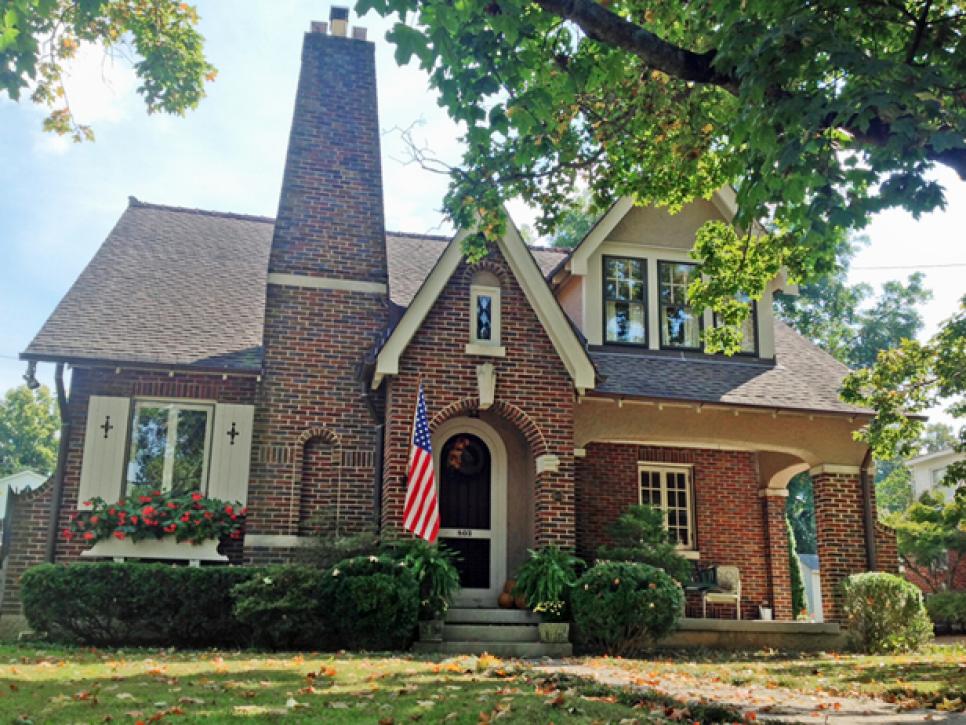 Not all Tudors are big, grand mansions. More modest interpretations of the style are just as prevalent and just as popular.
Practically all, however, are asymmetrical structures dominated by imposing, pitched roof lines.
Designed to Work with the Environment
Tudor Revival architecture homes were designed to work with the environment in which they originated in England.
Steeply pitched roofs are ideally suited to climates with a lot of rain and snow, which is why so many appear along the East Coast and throughout the Midwest.
Key Elements of Phoenix Tudor Revival Homes:
- Steep, multi-gabled roof lines. It is not uncommon for the eaves of these dramatic homes to plunge clear down to ground level, or close to it.
- Decorative half-timber framing. The characteristic half-timbering, the structure’s seemingly exposed wood framing, is almost exclusively ornamental in the U.S.
- Massive chimneys. The roof lines of Tudor homes are almost always graced with massive chimneys, constructed of brick or stone and capped with elaborate chimney pots. “It was not uncommon to find a fireplace in every room of the house; they were the primary source of heat,” Saroki says.
- Brick, stone, stucco or slate exteriors. Tudor homes were almost exclusively constructed from these materials, which are often called “noble materials.”
- Decorative entryways. Entryways are often arched and outlined with decorative brick or stonework.
- Windows in groups of two, three or four. Most often casement as opposed to double-hung, the windows are multi-paned, with panes sometimes arranged in a diamond pattern.
Famous Examples of Tudor Revival Architecture:
- Edsel and Eleanor Ford House. Now a museum, the Southeast Michigan home is a symbol of American wealth and prosperity. It’s also a model of Tudor architecture. Designed by famous architect Albert Kahn, the 60-room mansion features multiple gables, projecting dormers and towering chimneys, all characteristic of the style.
Potential Issues In Tudor Revival Architecture
Because these homes are built from noble materials, they can have potential issues like what Saroki refers to as “lifetime” materials.” But they do tend to hold up very well. He also says, “But just as a body needs periodic maintenance, so does a Tudor home.”
Prone to Roof Leaks
Sometimes, because of the multiple gables with intersecting roof lines can mean multiple roof leaks and numerous headaches. It’s important to check the interior thoroughly for water damage and inspect the roof’s integrity regularly. The same holds true for the dormers, which are built into roof lines and also prone to leaks.
Possible Window Issues
Old casement windows are typically no friend to energy bills. So, you want to look for tight seals and working storms. Additionally, Tudor homes possess a lot of wood detailing in the form of half-timbering, wood overhangs and trim. These should be examined for moisture problems and will need regular stain or paint applications.
Lifestyle In a Tudor Revival
Unlike the Spanish Colonial home with its large central courtyard, Tudors are all about indoor living and offer a quaint lifestyle.
Found primarily in Northern and Southern climates, Tudor homes boast grand stone hearths around which families gather and relax. So, the dark wood paneling, exposed timbers and luminous stained glass windows all add to the cozy appeal of this architecture style.
Buying a Tudor Revival in Phoenix
If you’re interested in buying a Tudor Revival home for sale in Phoenix, contact Laura Boyajian on her cell at (602) 400-0008, or email Laura at HistoricCentralPhoenix@cox.net.
View other architectural styles in the Historic Phoenix Districts.